
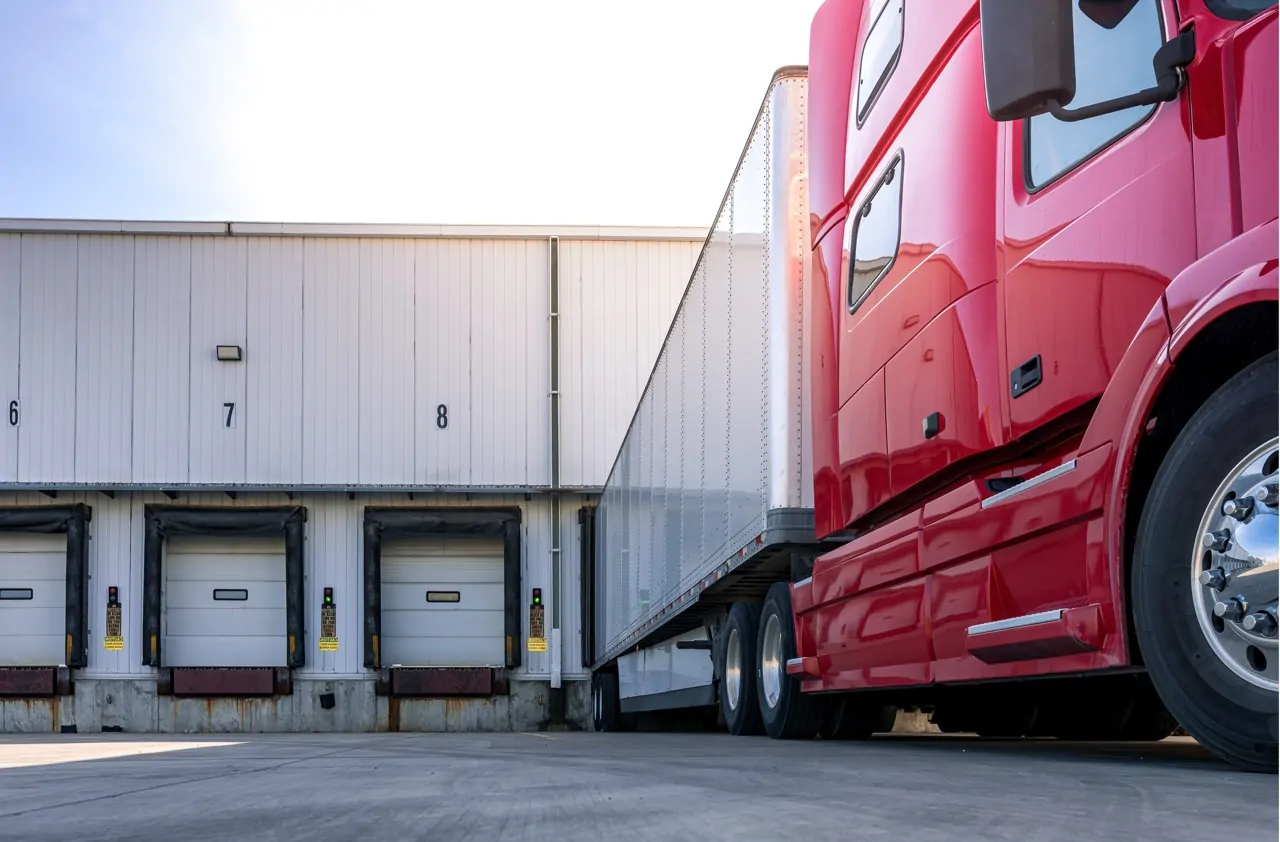
Florida Trucking Negligence & Liability Explained
A semi-truck traveling along I-95 in Broward County drifts across lanes. The driver has exceeded legal driving hours. Traffic slows ahead near an interchange. The truck fails to stop in time. A multi-vehicle crash follows, injuring several people.
This is not just driver error.
This is what trucking company negligence and liability in Florida looks like. Many truck accidents happen because companies ignore federal safety rules. They push unrealistic delivery schedules. They fail to maintain vehicles properly. The driver is behind the wheel, but the company created the conditions for the crash.
If you have been injured in a truck accident, a truck accident lawyer from C.H. Smith Law Firm can help you identify who is truly responsible and pursue the full compensation you deserve.
When a Trucking Company Becomes Legally Responsible
Trucking company negligence & liability in Florida arises when a company fails to follow safety standards that exist to protect everyone on the road. Drivers do not operate in isolation. They work within systems created by their employers. When those systems are unsafe, the company bears legal responsibility for the harm that follows.
Common Examples of Trucking Company Negligence
- Failing to maintain trucks properly — Worn brakes, defective tires, and unserviced engines create crash conditions that routine inspections would catch.
- Allowing drivers to exceed legal hours — Federal hours-of-service rules exist precisely because fatigue impairs driving. Ignoring these limits is a serious safety failure.
- Hiring unqualified or untrained drivers — Placing someone behind the wheel of a commercial vehicle without proper licensing or training puts every other driver at risk.
- Ignoring federal safety regulations — FMCSR compliance is not optional. Companies that treat federal rules as inconveniences create foreseeable danger.
Negligence at the company level shifts liability away from the driver alone. It increases the available insurance coverage and strengthens your legal claim significantly.
Trucking Company Negligence in Florida: What Really Causes Crashes
Most truck accidents in Florida are not random events. They trace back to decisions made inside a corporate office long before the crash occurred. Company policies, budget choices, and scheduling systems all play a direct role in creating dangerous conditions on Florida roads.
The following patterns appear repeatedly in trucking company negligence & liability in Florida cases:
Unsafe Company Policies
Some trucking companies build delivery expectations around speed rather than safety. Drivers are evaluated on on-time performance and penalized for delays. This culture pushes drivers to speed, skip breaks, and take risks. When a company’s internal policies incentivize dangerous behavior, the company is responsible for what follows. Policy documents and internal communications often reveal this pressure clearly.
Poor Maintenance Systems
Federal law requires commercial trucks to undergo regular inspections and documented maintenance. When companies skip these steps to reduce costs or keep trucks moving, mechanical failures become inevitable. A brake system that has not been properly serviced on a fully loaded truck traveling at highway speed is a catastrophic risk. Maintenance logs and inspection records show exactly when the company knew about a problem and chose not to fix it.
Driver Fatigue Pressure
Hours-of-service regulations cap how long a driver can operate before mandatory rest. These limits are not suggestions. When dispatch systems schedule routes that cannot be completed legally, drivers are forced to choose between compliance and their job. Companies that build fatigue into their schedules are directly responsible when tired drivers cause crashes. Electronic Logging Device data captures the reality of what actually happened, regardless of what official logs may claim.
Trucking Company Liability in Florida
Liability in a Florida truck accident does not automatically rest with the driver. In many cases, the trucking company carries equal or greater responsibility. Understanding how that liability is established is essential to building a claim that pursues full compensation.
When multiple parties share responsibility for a crash, the legal and financial stakes increase significantly. Here is how company liability is defined and applied:
When a Company Is Legally Responsible
A trucking company becomes legally liable when its own decisions, policies, or failures directly contribute to a crash. This includes choosing to operate an unsafe vehicle, setting schedules that violate federal hours rules, or failing to screen drivers properly. The company does not need to be physically present at the crash scene to be responsible. Its decisions created the conditions that made the crash possible.
Vicarious Liability Explained
Under vicarious liability, a trucking company is legally responsible for the actions of its employees when those actions occur within the scope of their job duties. When a driver causes a crash while making a scheduled delivery, the company that employs and directs that driver shares legal responsibility. This principle is well established in Florida law and applies broadly to commercial trucking operations.
Direct Liability vs Indirect Liability
Direct liability occurs when company-level decisions caused the crash, such as knowingly dispatching an unsafe vehicle or hiring a driver with a disqualifying record. Indirect liability, sometimes called vicarious liability, arises when a driver’s negligence during the course of employment creates harm. Both forms of liability can exist simultaneously in the same case. An experienced truck accident attorney knows how to identify and pursue both, maximizing available recovery for injured victims.
Who Can Be Held Liable in a Truck Accident Case
Truck accident cases rarely involve just one responsible party. The commercial trucking industry operates through layers of contractors, vendors, and corporate relationships. Each layer creates a potential source of liability, and identifying all of them is what distinguishes a thorough legal investigation from a surface-level claim.
In trucking company negligence & liability in Florida cases, the following parties may all carry legal responsibility:
- Trucking Companies: The motor carrier is often the primary defendant. They are responsible for driver supervision, vehicle maintenance, and regulatory compliance.
- Drivers: Individual drivers may be personally liable when their conduct goes beyond what the company directed, such as impairment or reckless behavior.
- Maintenance Contractors: Third-party shops hired to service commercial vehicles may be liable when their work is deficient and mechanical failure results.
- Cargo Loaders: Warehouse operators and loading contractors who improperly secure or distribute cargo may share liability when load instability contributes to a crash.
Truck crashes rarely happen because of a single mistake. They occur when multiple failures align: a fatigued driver operating an under-maintained vehicle on an unrealistic schedule, loaded by a contractor who did not follow securement standards. Each failure compounds the next. Identifying every contributing party is how victims recover compensation that reflects the true scope of what happened to them.
Evidence That Proves Trucking Company Negligence
In trucking company negligence & liability in Florida cases, the most powerful evidence is usually in the trucking company’s possession. They know this, and they move quickly to control the narrative after a crash. A semi-truck accident lawyer who acts fast can secure evidence before it is altered, deleted, or conveniently lost.
The following evidence is critical in building a strong trucking negligence claim:
- Electronic Logging Device (ELD) Records: ELD data captures actual driving hours and patterns, revealing fatigue violations that paper logs may conceal or falsify.
- Maintenance and Inspection Reports: These records show when maintenance was last performed, whether defects were flagged, and whether the company addressed known safety issues before the crash.
- Driver Qualification Files: Licensing history, medical certifications, training records, and employment background can reveal whether the company hired a driver who should never have been behind the wheel.
- Company Safety Policies: Internal documents, communications, and operational procedures often reveal whether the company prioritized delivery speed over legal compliance and driver safety.
Evidence can disappear quickly without a legal hold in place. Contacting a lawyer immediately after a truck crash is the most important step you can take to protect your claim.
How Negligence Impacts Settlement Value
The presence of company-level negligence significantly increases what a truck accident claim is worth. When a trucking company violated federal safety rules and those violations directly caused your injuries, the case for full compensation becomes much stronger.
Clear safety violations remove ambiguity about fault. There is no credible argument that following federal law was optional. Serious injuries tied to documented negligence demonstrate that the harm was foreseeable and preventable. Strong documentation from ELD records, maintenance logs, and driver files gives your attorney concrete evidence to present rather than relying on testimony alone.
Corporate liability also matters because it increases available insurance coverage. Commercial trucking policies carry far higher limits than personal auto policies. When the company is a named defendant, those limits become accessible. Expert testimony from accident reconstruction specialists and medical professionals adds precision to your damages calculation, ensuring that long-term costs, lost earning capacity, and ongoing care needs are all accounted for in your claim.
Why Choose C.H. Smith Law Firm
Attorney Courtney Smith is a Florida Bar licensed personal injury attorney with nearly 20 years of litigation experience. He founded C.H. Smith Law Firm to represent injured clients against well-funded defendants, including commercial trucking companies and their insurers. He handles cases in Broward County Circuit Court and across South Florida jurisdictions.
His experience in commercial trucking litigation includes cases involving federal regulatory violations, corporate negligence, and multi-party liability disputes. He understands how trucking companies build their defenses and uses that knowledge to anticipate and counter those strategies directly.
C.H. Smith Law Firm serves clients throughout South Florida, including Fort Lauderdale, Plantation, Hollywood, Pompano Beach, and the Miami logistics corridor. Attorney Smith approaches every trucking company negligence & liability in Florida case with the preparation and commitment required to achieve meaningful results for injured clients.
What Our Clients Experience
“I had a great experience working with Attorney Smith from start to finish. He was extremely knowledgeable, responsive, and clearly explained every step of the process. I felt well represented and am very satisfied with the outcome of my case. I would highly recommend his services. Thank you again :)”
Stacey C. | Google Review
“You have definitely chosen the perfect attorney if you are reading this review! They work efficient, and effective! Great communication, professional and friendly. I had great results and will always use attorney C.H Smith, if I ever need attorney services in the future. Thank you for a wonderful experience  .”
.”
Charlotte Hilliard | Google Review
Frequently Asked Questions About Trucking Company Liability
1. Can I sue the trucking company directly if a truck driver hit my car?
Yes. If the driver was acting within the scope of their employment, you can file a claim directly against the trucking company under vicarious liability principles.
2. How do I prove that a trucking company was negligent in Florida?
Your attorney gathers ELD data, maintenance records, driver qualification files, and company safety policies to show the company failed to meet its legal obligations.
3. Does the trucking company’s insurance cover my injuries after a crash?
Commercial trucking policies typically carry much higher coverage limits than personal auto policies, and the company’s insurer may be responsible for your damages.
4. What if the truck driver was an independent contractor?
Even if the driver was classified as an independent contractor, the trucking or logistics company may still be liable if they controlled the driver’s work and operations.
5. How long do I have to file a truck accident claim against a trucking company in Florida?
Florida generally allows two years from the date of the crash to file a personal injury lawsuit, making early legal action essential.
6. Can a trucking company destroy evidence after a crash?
Evidence destruction after litigation is reasonably anticipated may constitute spoliation, which courts can penalize and allow juries to consider as evidence of guilt.
7. What damages can I recover in a Trucking Company Negligence & Liability in Florida case?
You may pursue compensation for medical expenses, lost income, future treatment costs, permanent impairment, pain and suffering, and in some cases punitive damages.
8. Does it matter if the crash happened on a Florida highway versus a local road?
No. Trucking company liability applies regardless of where the crash occurred, as long as the driver was operating within the scope of their employment duties.
9. Can I still recover compensation if the trucking company claims the driver was solely at fault?
Yes. Your attorney can investigate company-level decisions, maintenance records, and scheduling practices to establish that the company’s negligence contributed to the crash.
10. What should I do first if I suspect trucking company negligence caused my accident?
Contact a truck accident lawyer immediately so they can issue a legal hold, preserve critical evidence, and begin building your case before records are altered or destroyed.
Speak With a Truck Accident Lawyer Today
Trucking company negligence & liability in Florida often goes far deeper than a single driver mistake. The company behind the truck may have created the conditions for the crash long before impact. C.H. Smith Law Firm investigates company policies, safety violations, and multi-party liability across South Florida. We help clients understand their options, preserve evidence, and pursue the compensation they deserve.
Plantation Office
7805 S.W. 6th Court, Plantation, FL 33324
Phone: +1 (954) 228-9334
Tampa Office
201 E. Kennedy Blvd, Suite 600, Tampa, FL 33602
Phone: +1 (813) 322-5335
Email: info@chsmithlaw.com
Speak with a truck accident lawyer today to discuss your legal options and next steps.
