
Who Is Responsible for Fog-Related Accidents in Florida
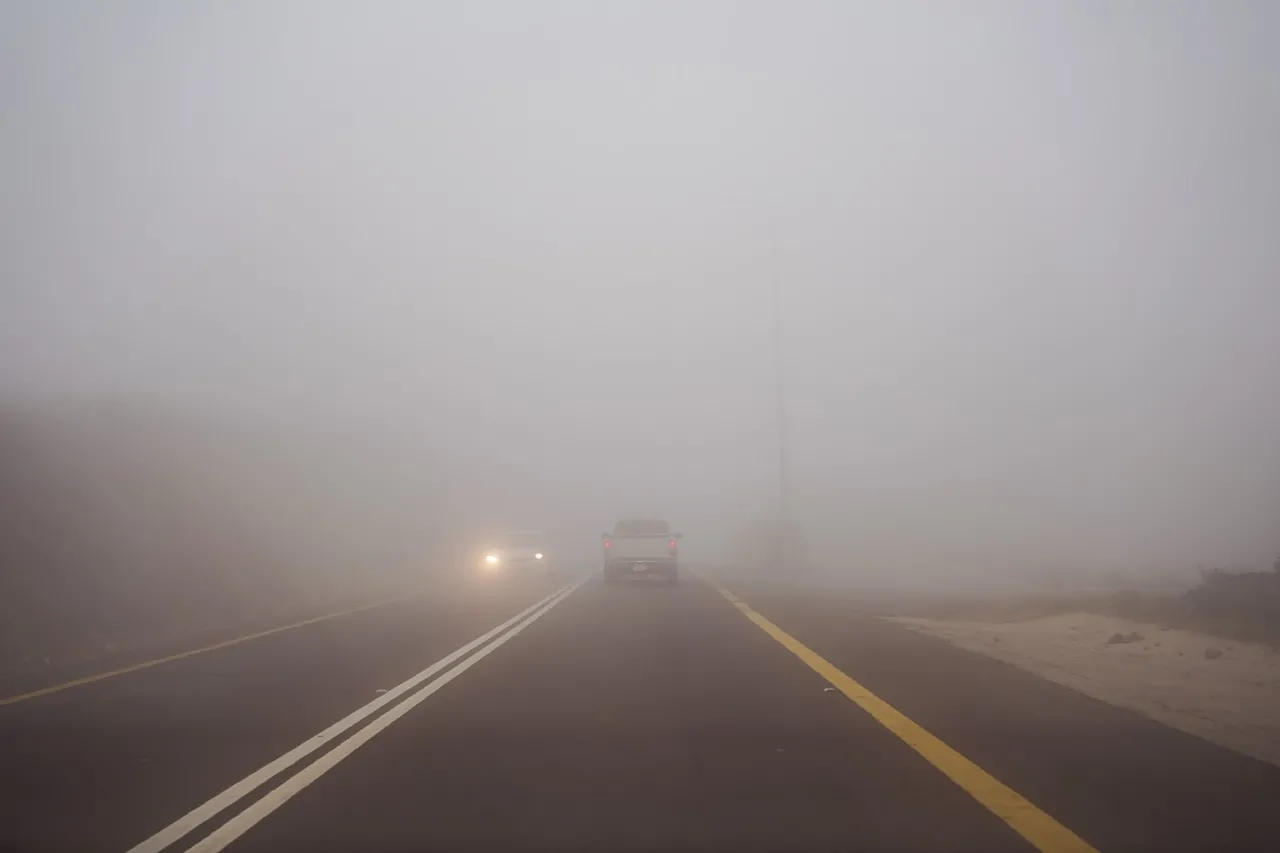
Fog conditions occur frequently during Florida winter mornings, creating hazardous driving situations across the state. Dense fog develops near waterways, lakes, and coastal areas when temperatures drop overnight. Reduced visibility on highways like I-4, I-75, and the Florida Turnpike leads to serious crashes. Drivers often encounter sudden fog banks that limit visibility to just a few feet. Many motorists continue traveling at normal speeds despite being unable to see clearly ahead. These dangerous conditions contribute to devastating multi-vehicle accidents throughout Florida every year.
Understanding driver responsibility during foggy weather becomes crucial after accidents occur in these conditions. Many people wonder whether fog automatically excuses negligent driving behavior under Florida law. The answer affects liability, insurance claims, and compensation for injured victims seeking recovery. C.H. Smith Law Firm serves as a trusted legal resource for fog-related accident victims. Our experienced attorneys help clients understand their rights and pursue fair compensation after crashes. Attorney Courtney Smith brings nearly 20 years of personal injury experience to every case.
Why Fog Creates Dangerous Driving Conditions
Reduced visibility stands as the primary danger when fog blankets Florida roads and highways. Drivers cannot see vehicles, obstacles, or road conditions more than a few feet ahead. Condensation and glare from headlights reflecting off fog droplets further impair vision significantly. Light beams scatter rather than penetrating fog, creating a white wall effect for drivers. Sudden fog banks appear without warning on highways, giving motorists no time to adjust safely.
Dense fog can develop within minutes as weather conditions change rapidly throughout the morning. Early morning and late-night risks increase when fog combines with darkness and fatigue. Drivers struggle to gauge distances and speeds of other vehicles in these poor conditions. Brake lights become invisible until cars are dangerously close, eliminating safe stopping distance. These factors combine to create perfect conditions for serious and often fatal accidents.
Does Fog Automatically Remove Driver Responsibility
Fog does not excuse negligent driving behavior or remove legal responsibility under Florida law. Weather conditions never eliminate a driver’s duty to operate vehicles safely and responsibly. Drivers must adjust speed and following distance based on current visibility and road conditions. Reasonable drivers slow down significantly when fog reduces their ability to see ahead clearly. Duty of care under Florida law requires drivers to control their vehicles safely regardless of weather.
Courts consistently hold that drivers must adapt their behavior to match existing hazardous conditions. Claiming “I couldn’t see” does not absolve drivers who fail to slow down appropriately. Continuing at normal speeds in dense fog constitutes negligent driving that creates liability. Insurance companies often argue that fog caused accidents, but driver behavior remains the determining factor. Ultimately, drivers who fail to adjust for foggy conditions bear legal responsibility for resulting crashes.
Florida Laws That Apply to Fog-Related Accidents
Florida traffic laws impose specific duties on drivers operating vehicles in hazardous weather conditions. These regulations establish clear standards for safe driving when visibility becomes limited by fog. Understanding these laws helps establish fault after fog-related accidents occur:
- Speed Adjustment Requirements: Florida Statutes require drivers to reduce speed when conditions warrant slower travel. Driving too fast for conditions violates the law even when posted speed limits are followed.
- Headlight Use Laws: Florida law mandates headlight use when windshield wipers are required or visibility is limited. Low-beam headlights must be used in fog as high beams reflect and reduce visibility further.
- Following Distance Rules: Drivers must maintain safe following distances allowing them to stop if the vehicle ahead brakes suddenly. Fog requires increased following distance due to reduced reaction time and visibility.
- Careless vs Reckless Driving: Careless driving involves failing to exercise reasonable care under existing conditions. Reckless driving shows willful disregard for safety and carries more severe penalties and liability.
Common Driver Errors That Cause Fog-Related Accidents
Driving too fast for foggy conditions represents the most common error leading to serious crashes. Many drivers maintain normal highway speeds despite being unable to see more than a few feet. Following too closely behind other vehicles eliminates the safe stopping distance needed in limited visibility. Drivers often use the taillights of vehicles ahead as guides without maintaining proper spacing. Improper headlight use worsens visibility when drivers use high beams that reflect off fog droplets.
High beams create a blinding white wall effect rather than improving forward visibility. Sudden lane changes become extremely dangerous when drivers cannot see vehicles in adjacent lanes clearly. Moving between lanes without adequate visibility causes sideswipe collisions and chain-reaction crashes throughout highways. Failure to stop or slow appropriately when entering fog banks causes rear-end collisions immediately. Responsible drivers must reduce speed dramatically or pull over safely when fog makes driving hazardous.
Chain-Reaction Crashes in Foggy Conditions
Fog causes devastating pileups involving dozens of vehicles on Florida highways every year. One initial collision triggers subsequent crashes as following vehicles cannot stop in time. Drivers traveling too fast or following too closely have no chance to avoid stopped vehicles. Each impact pushes vehicles forward into others, creating massive chain-reaction accidents spanning hundreds of feet. Liability in multi-car crashes becomes complex when determining which drivers acted negligently and when.
Florida law allows recovery from every driver whose negligence contributed to your specific injuries. Some drivers may be liable for the initial collision while others caused subsequent impacts. Investigating fault in complex cases requires accident reconstruction experts who analyze crash dynamics thoroughly. Police reports document the sequence of impacts and which vehicles collided with whom specifically. Our attorneys work with specialists to determine exactly which negligent drivers caused your injuries.
How Insurance Companies Handle Fog-Related Accident Claims
Insurers blaming weather represents a common tactic to avoid paying legitimate fog-related accident claims. Adjusters argue that fog caused the accident rather than their policyholder’s negligent driving. This argument ignores the fact that drivers must adjust their behavior for existing conditions. Shared fault arguments emerge when insurers try to blame victims for also driving in fog. They claim comparative negligence applies even when their drivers clearly violated traffic laws.
Delays and denials follow as insurance companies request excessive documentation and expert opinions unnecessarily. These tactics aim to frustrate victims into accepting inadequate settlements out of desperation. Importance of documentation cannot be overstated when fighting insurance company denial strategies successfully. Strong evidence proving the other driver’s negligence overcomes weather-related defenses that adjusters raise routinely. Our attorneys counter these insurance tactics with thorough investigations and aggressive advocacy for clients.
Evidence That Helps Prove Fault in Fog-Related Accidents
Building a strong case after fog-related accidents requires gathering multiple types of evidence quickly. Critical proof disappears rapidly as conditions change and memories fade among witnesses involved. The following evidence establishes fault effectively:
- Police Reports: Law enforcement documentation includes officer observations about fog conditions and driver behavior. Reports note violations observed and preliminary fault determinations made at crash scenes.
- Traffic Camera Footage: Highway cameras capture real-time footage of accidents occurring in foggy conditions. Video evidence shows vehicle speeds, following distances, and driver actions before collisions.
- Witness Statements: Testimony from other drivers provides independent accounts of negligent behavior observed. Witnesses describe how fast vehicles were traveling and whether lights were used properly.
- Weather Reports: Official weather service data documents fog density, visibility levels, and duration at accident times. These reports confirm hazardous conditions that required adjusted driving behavior from all motorists.
- Accident Reconstruction: Expert analysis determines vehicle speeds, impact forces, and sequence of collisions during crashes. Reconstruction establishes which drivers could have avoided accidents by driving appropriately for conditions.
Injuries Common in Fog-Related Accidents
Head injuries occur frequently in fog-related crashes involving high-speed impacts and multiple vehicles. Traumatic brain injuries develop when occupants strike interior surfaces or get hit by debris. Neck and back injuries affect victims in all seating positions during rear-end and multi-vehicle collisions. Whiplash, herniated discs, and spinal cord injuries require extensive medical treatment and rehabilitation.
Broken bones result from severe impact forces generated during high-speed highway accidents in fog. Arms, legs, ribs, and pelvic bones fracture when vehicles collide at highway speeds. Internal injuries threaten lives when organs suffer trauma from blunt force impacts during crashes. Liver, spleen, and kidney damage may not show obvious external symptoms initially after accidents. These serious injuries require immediate emergency care and often result in permanent disabilities for victims. Medical treatment costs accumulate rapidly when injuries require surgery, hospitalization, and ongoing rehabilitation therapy.
How C.H. Smith Law Firm Helps Victims of Fog-Related Accidents
Free consultations allow us to evaluate your fog-related accident case and explain your legal options. We answer all questions about Florida traffic laws, liability, and available compensation for injuries. Evidence collection begins immediately to preserve crucial proof before it disappears or gets destroyed. Our team obtains police reports, traffic camera footage, weather data, and witness statements quickly.
Insurance negotiations become our responsibility so you can focus entirely on medical recovery. We handle all communications with adjusters who try to blame weather rather than negligent drivers. Our attorneys counter insurance company tactics with strong evidence and aggressive advocacy for clients. Trial preparation if needed demonstrates to insurance companies that we will litigate when necessary. Our courtroom experience includes successful verdicts for accident victims throughout Florida in weather-related cases. Attorney Courtney Smith’s nearly 20 years of experience makes the difference in achieving maximum compensation.
Contact C.H. Smith Law Firm After a Fog-Related Accident
Don’t let insurance companies blame weather for crashes caused by negligent driving in foggy conditions. C.H. Smith Law Firm provides experienced legal guidance when you need it most after accidents. Prompt legal action protects evidence and prevents costly mistakes that hurt your claim value significantly. Call now for your free consultation about the compensation you deserve under Florida law. You pay nothing unless we successfully recover damages for your injuries and losses.
Plantation Office
7805 S.W. 6th Court, Plantation, FL 33324
Phone: +1 (954) 228-9334
Tampa Office
201 E. Kennedy Blvd, Suite 600, Tampa, FL 33602
Phone: +1 (813) 322-5335
Email: info@chsmithlaw.com
